


✨Extra Pill of the Week
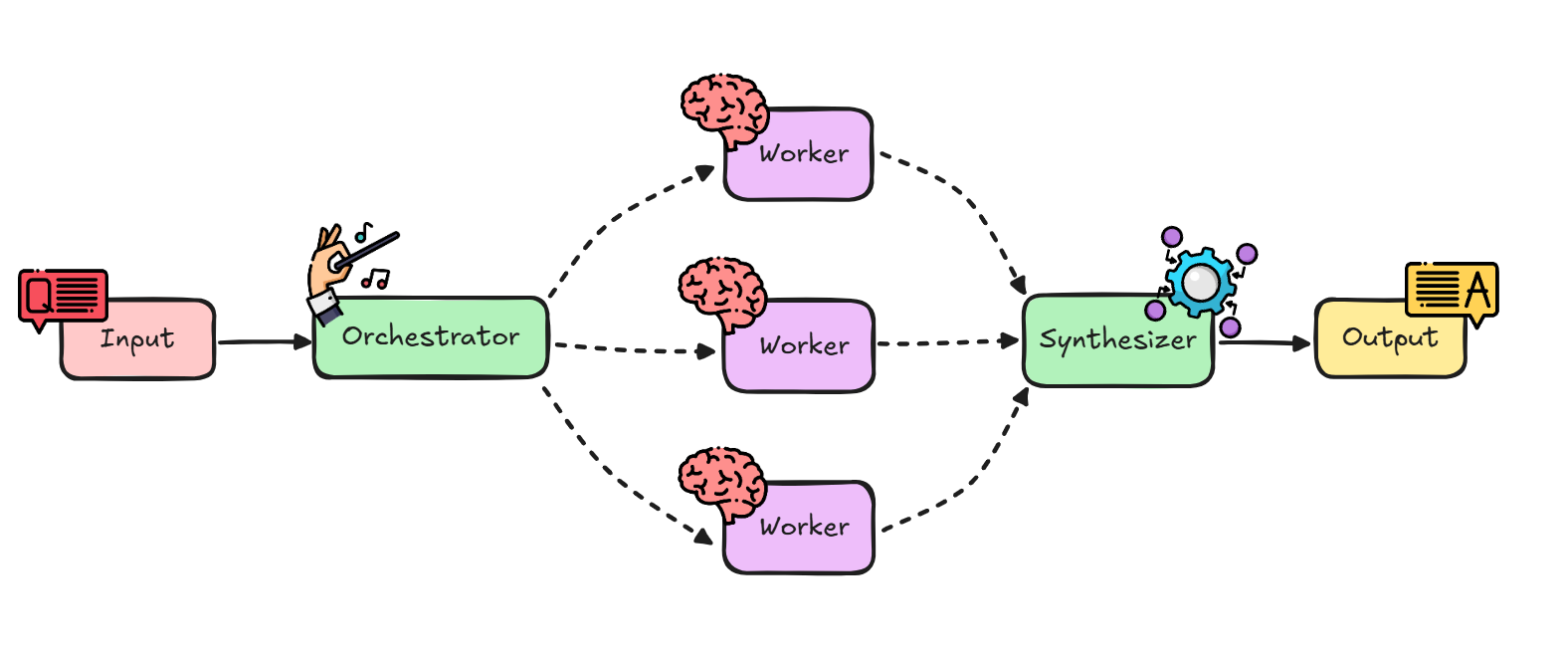
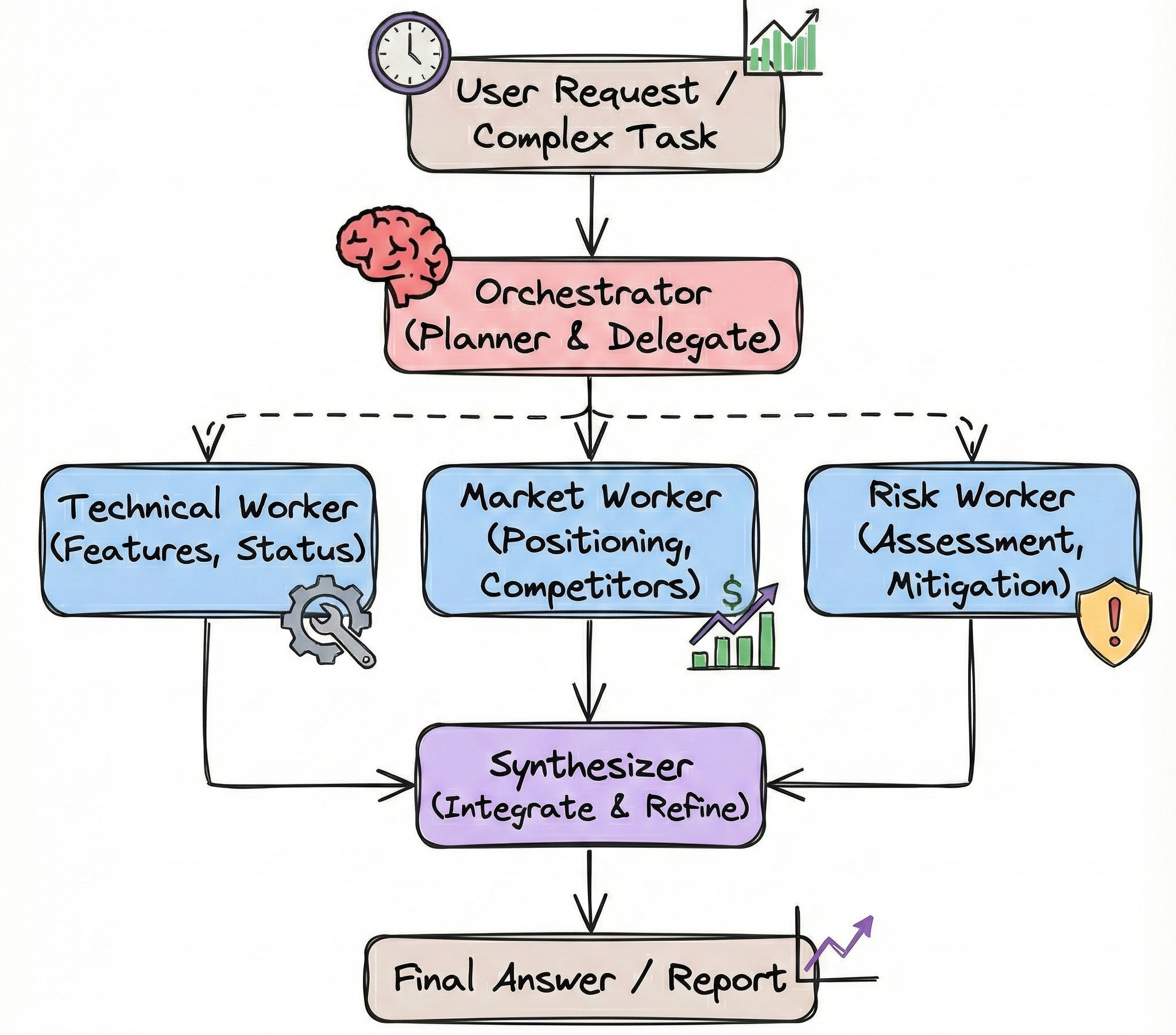
As promised, here is the implementation of the Orchestrator Worker Pattern in LangGraph. For a quick reminder, you can revisit the article I shared last weekend:

LangGraph and LangChain both aim to simplify the development of AI agent systems, but they approach the problem quite differently.
LangChain focuses on modular building blocks for prompts, tools, memory, and chains, giving developers a flexible but sometimes sprawling framework to piece together agent behaviour.
LangGraph, on the other hand, introduces a graph based execution model where agents, tools, and control flow are represented as nodes and edges, enabling clearer orchestration, explicit state management, and far more predictable execution.
In practice, LangChain feels more like a toolkit, while LangGraph feels like an architecture, especially when building multi step, multi agent workflows that need reliability and transparency.

This is meant to be a practical code guide to help you implement the pattern in LangGraph in a more efficient and structured way.
Below you’ll find a complete, production-ready implementation broken down into digestible steps. Each section builds on the previous one, culminating in a fully functional parallel orchestration system. Feel free to copy-paste and adapt to your own use cases.
Keep reading with a 7-day free trial
Subscribe to Machine Learning Pills to keep reading this post and get 7 days of free access to the full post archives.